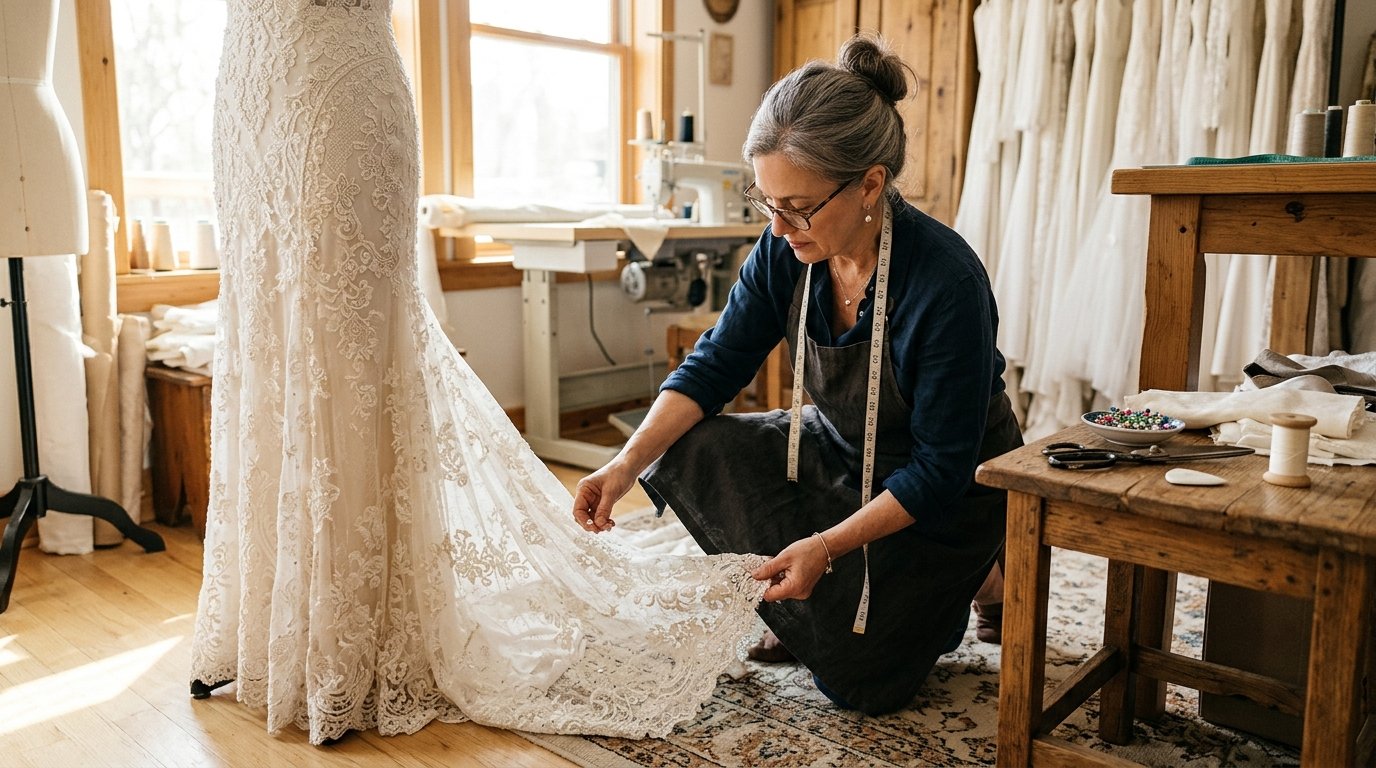
If you operate a bridal boutique or an independent wedding alteration salon, you know the scenario all too well: a bride books an alteration package for $650 / £500. By the time she steps out the door for her wedding day, your head seamstress has pinned the gown three separate times, remade the American bustle twice, adjusted the straps after she bought different shoes, and logged 14 hours of intensive hand sewing.
When you calculate your true hourly labor, thread, and fitting room overhead, that $650 alteration package actually cost your salon money.
This is the "Just One More Tweak" trap. Bridal alterations are emotionally charged, highly complex, and notoriously prone to scope creep. Yet top bridal salons maintain 60%+ gross margins on alterations year-round. How do they do it? By replacing verbal promises and paper notebook scribbles with a structured, multi-stage operational framework.
Key Industry Insight
According to bridal atelier surveys, over 72% of unpaid alteration overages stem from undocumented weight fluctuations and shoe height changes occurring between the first pinning and the final reveal.
The 4 Costliest Mistakes Bridal Salons Make with Alterations
1. Treating the Initial Pinning as an Open-Ended Agreement
When a bride arrives for her first fitting, emotions run high. If your seamstress pins the bodice, takes in the waist, and pins the hemline without clear digital photo documentation of what was agreed upon, the salon bears all the liability. When the bride returns 4 weeks later and claims, "I thought we agreed the neckline would be cut lower," you face an impossible choice: argue with an anxious bride or perform 4 hours of unbilled custom beadwork reconstruction.
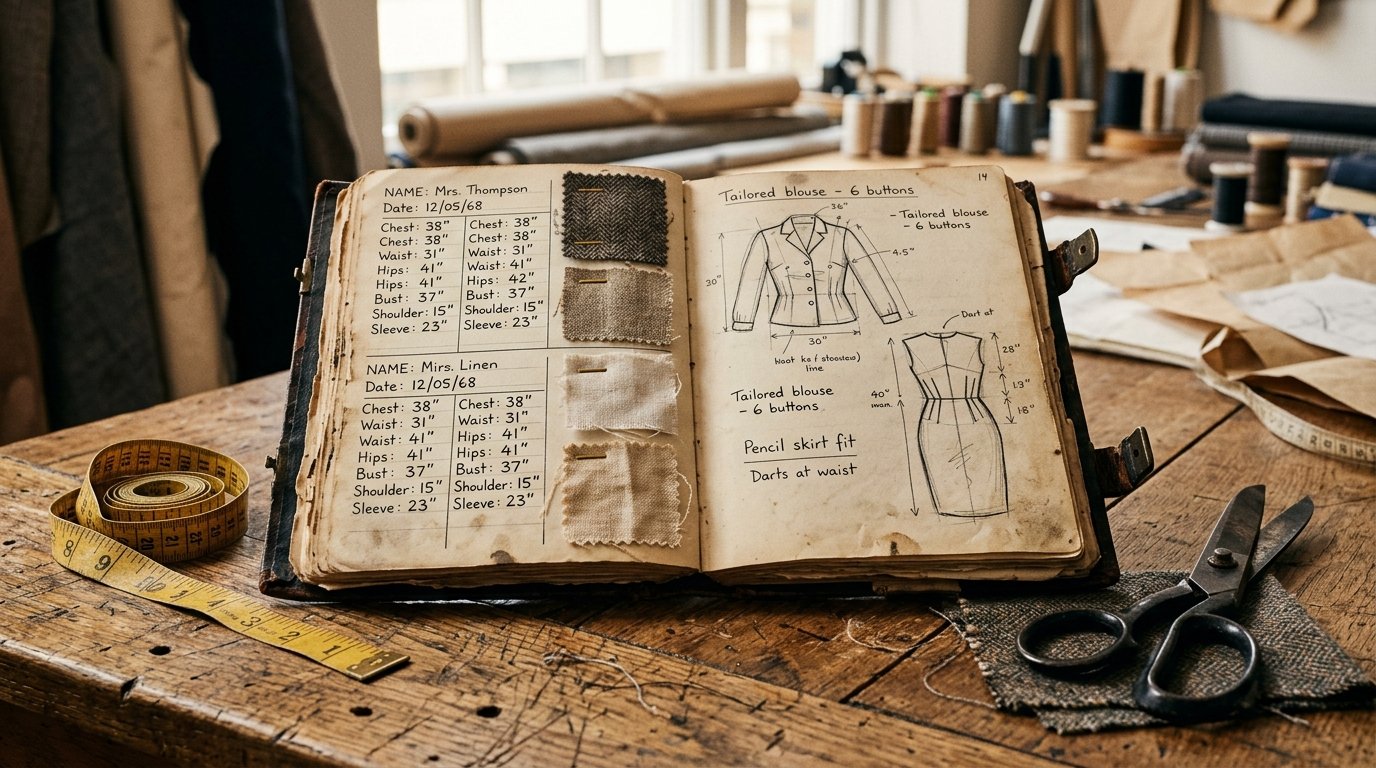
2. Relying on Handwritten Alteration Slips Attached to Hangers
Paper slips pinned to garment bags get torn, misplaced, or separated when multiple dresses move across steaming racks and sewing benches. If a seamstress cannot clearly read pencil markings regarding French vs. Ballroom bustle tie placement, costly mistakes occur on £2,000+ designer silk and tulle.
3. Allowing Gowns to Leave Before the Final Balance is Settled
During peak wedding season (May through October), fitting rooms are chaotic. Bridesmaids are trying on dresses, mothers of the bride are asking questions, and gowns are being steamed. If your salon does not have an enforced software checkout gate that blocks gown release until the final alteration balance is paid, thousands of dollars in pending dues will slip away.
4. Failing to Charge for Scope Creep (Shoes, Undergarments & Body Fluctuations)
Every bridal alteration contract must explicitly state: hems are pinned to the exact heel height worn at the first fitting. If the bride switches from 3-inch stilettos to 1-inch block heels between fittings, re-hemming the dress is a paid revision, not a complimentary correction.
The 3-Stage Bridal Alteration Framework
High-profit bridal salons organize their calendar around three non-negotiable milestones. Here is the operational schedule recommended by top couturiers:
| Fitting Stage | Ideal Timeline | Core Focus & Non-Negotiables | Client Deliverable |
|---|---|---|---|
| Stage 1: Foundation Pinning | 8 to 10 Weeks Before | Bodice fit, strap placement, side seams, and initial hem pinning with actual wedding shoes. | Signed digital pinning photo card & 50% deposit. |
| Stage 2: Silhouette & Bustle | 4 to 5 Weeks Before | Evaluate basted seams, test bustle loop placement (French/American), practice bustling with maid of honor. | Bustle instructional video recorded & approval sign-off. |
| Stage 3: Final Reveal & Handover | 2 Weeks Before | Final fit verification, professional steaming, dress bag packing, and final balance settlement. | 100% balance collected & signed handover log. |
Documenting Bustles: French vs. American vs. Austrian
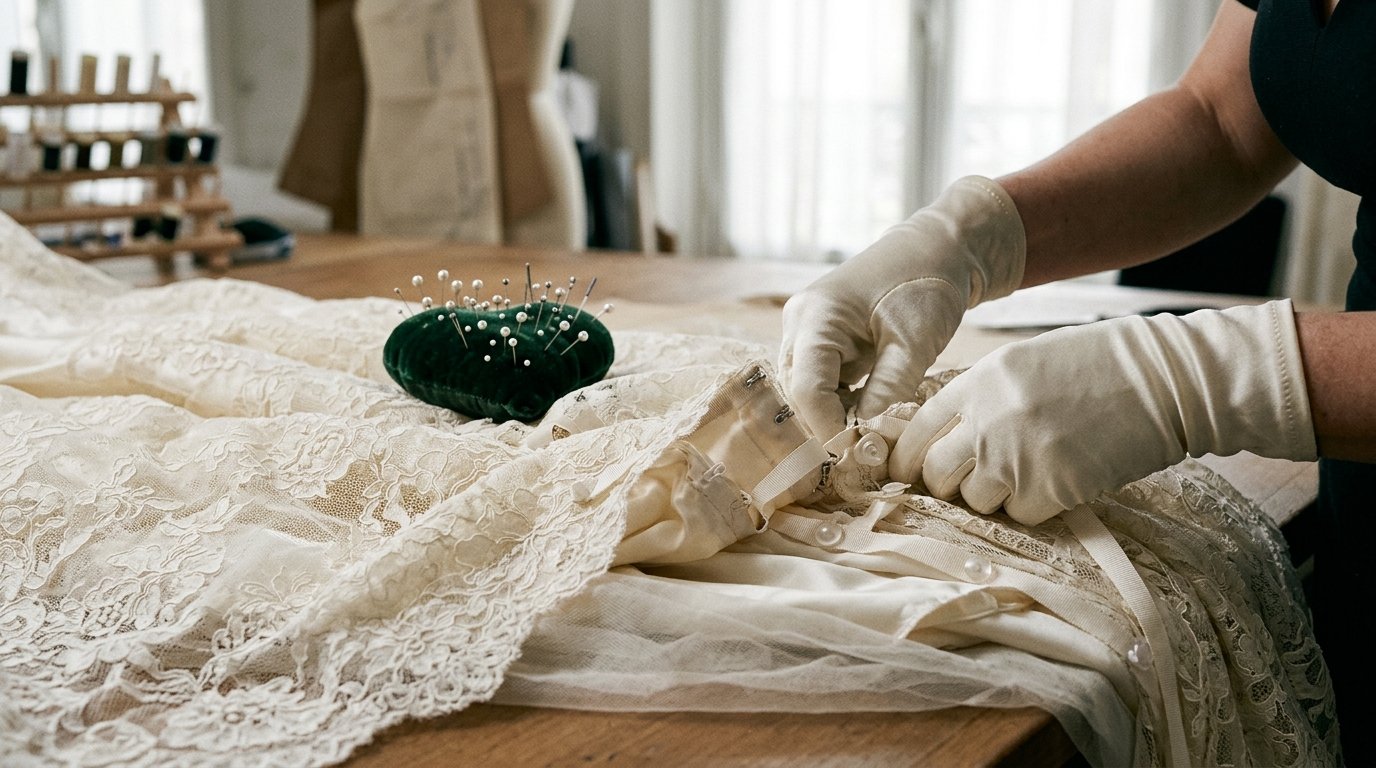
Bustles are the #1 source of day-of-wedding panics. A traditional 5-point American bustle uses external hooks and eyelets, whereas a French bustle pulls the train under using numbered ribbons.
Modern salons eliminate wedding morning frantic phone calls by recording a 30-second phone video of the seamstress tying the bustle during Stage 2, attaching it directly to the client's digital order file, and automatically texting the link to the Maid of Honor.
How Boutique Manager Protects Bridal Salon Profits
We built Boutique Manager's Bridal Alterations Module specifically to stop profit leakage. It includes multi-round trial calendars, digital pinning cards with photo attachments, and enforced balance collection gates before gown release.
Automating Bridal Reminders to Prevent Fitting No-Shows
A missed 45-minute bridal fitting slot costs your salon between $75 and $150 in dead labor time. Because brides juggle dozens of wedding vendors, manual phone calls from front-desk staff are slow and often go straight to voicemail.
By integrating automated WhatsApp and SMS appointment reminders 48 hours and 24 hours prior to the fitting, salons experience a 95% reduction in last-minute cancellations. The notification includes reminders to bring their exact wedding shoes, shapewear, and undergarments.
Summary Checklist for Bridal Atelier Owners
- Enforce the 3-Stage Fitting Framework: Never combine first pinning with bustle construction on the same day.
- Photograph Every Pinning: Attach front, back, and side photos directly into the client's cloud file.
- Clarify Scope Changes: Charge standard fee schedules for shoes or undergarment swaps made after Stage 1.
- Gate Gown Handover Behind Payment: Never let a dress leave the studio with an open balance due.
- Use Specialized Atelier Software: Ditch generic paper slips and spreadsheets for a system built specifically for custom fitting.