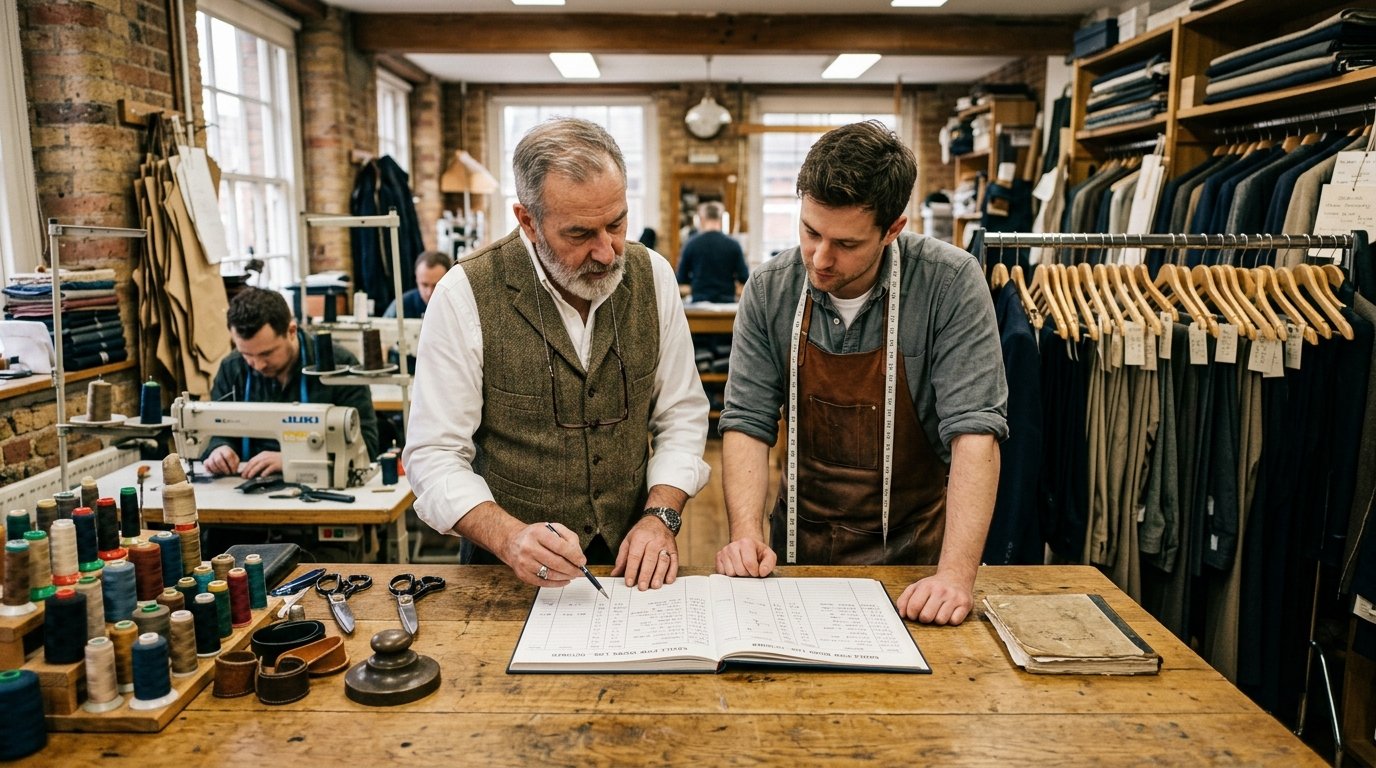
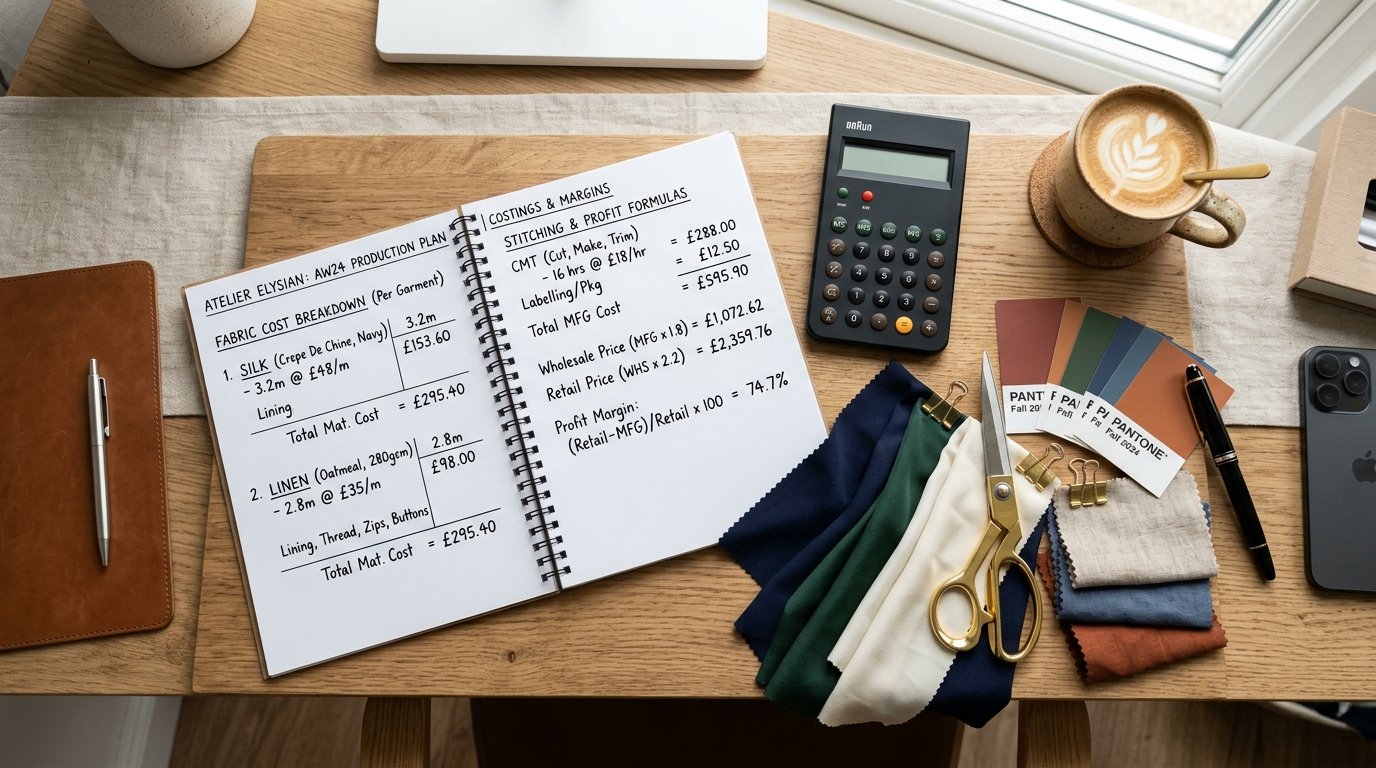
One of the most dangerous traps for boutique owners and custom dressmakers is pricing by emotional estimation.
A client walks in with an intricate Pinterest photograph of an embroidered designer jumpsuit or bridal gown. The designer glances at it, guesses "That looks like about $450 / £350 / ₹12,000," and takes a 30% deposit. Three weeks later, after 18 hours of delicate hand-beading, two fitting sessions, and $180 in specialized silk organza and bone casing, the studio realizes they earned less than minimum wage on the project.
High-earning ateliers do not guess. They use structured mathematical models that guarantee a minimum 60% gross margin on every custom garment before scissors touch the fabric.
The Atelier Margin Benchmark
In ready-to-wear retail, 50% gross margins are standard. In custom apparel, because each garment is a prototype with individual fitting liabilities, your target gross margin must be at least 65% to 75% to remain profitable after studio rent and taxes.
The 4-Part Custom Tailoring Pricing Formula
To eliminate guessing, calculate custom garment quotes using this 4-step cost-plus equation:
| Cost Element | What to Include | Commonly Overlooked Leaks |
|---|---|---|
| 1. Direct Materials | Main fabric yardage, lining, pocketing, interlinings, canvas | Scrap wastage (add 15%), matching thread, shoulder pads, hook-and-eye |
| 2. Direct Labor (CMT) | Master cutting hours, machine stitching, hand embroidery, pressing | Fitting consultation time (45 mins × 2 fittings), trial alterations |
| 3. Studio Overhead Allocation | Rent, utilities, machine depreciation, packaging, client tea/coffee | Add 15% to 20% on top of prime labor and material cost |
| 4. Net Profit Buffer | Business expansion, emergency fabric replacement fund, designer salary | Set target between 25% and 35% net profit margin |
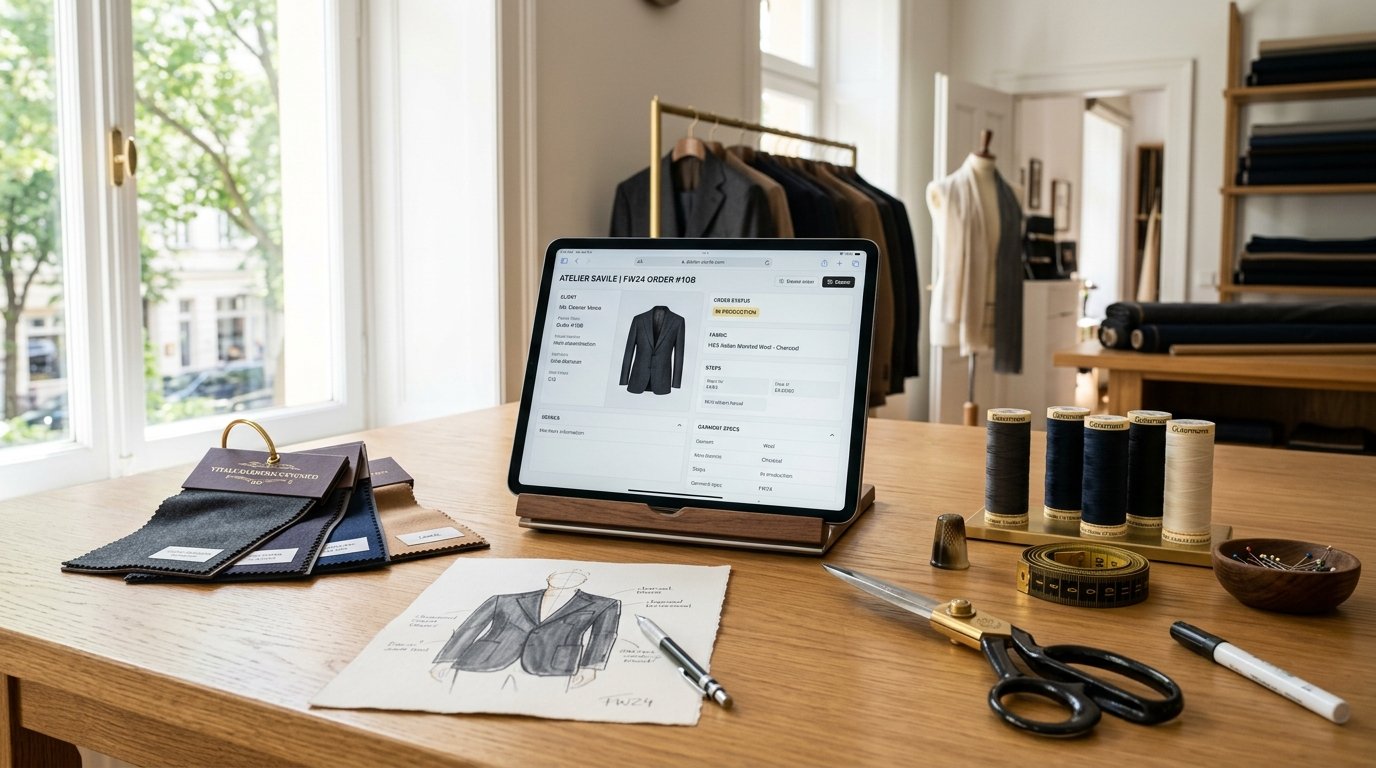
7 Consumables That Drain Atelier Profits If Not Billed
A 50-cent zipper or $2 can-can net seems negligible in isolation. But across 100 monthly garments, unbilled sundries drain thousands from your bottom line. Always itemize:
- Premium Fusing / Interfacing: High-end German woven fusing ($8/meter) prevents bubbling in suit collars and blouse necklines.
- Can-Can & Horsehair Braid: Essential for bridal hems and flared skirts. Charge separately by the yard.
- Boning & Waist Stay Ribbons: Essential for corseted and strapless bodices ($15 to $35 labor/materials).
- Specialty Closures: YKK invisible bridal zips, metal jacket teeth, and handmade fabric potli buttons.
- Luxury Garment Bags & Hangers: Breathable non-woven garment covers and padded suit hangers.
Pricing Matrix: Benchmarking Standard vs. Luxury Custom Cuts
| Garment Category | Estimated Labor Hours | Direct Cost (Fabric + CMT) | Recommended Minimum Quote |
|---|---|---|---|
| Designer Blouse (Padded, Piping) | 4.5 Hours | $35 / £28 / ₹1,200 | $95 - $140 / £75 - £110 / ₹3,500 - ₹5,000 |
| Tailored Trousers / Slacks | 4.0 Hours | $40 / £32 / ₹1,500 | $120 - $180 / £95 - £140 / ₹4,500 - ₹6,500 |
| Bespoke 2-Piece Suit (Half Canvas) | 18.0 Hours | $220 / £175 / ₹7,500 | $650 - $1,100 / £500 - £850 / ₹22,000 - ₹35,000 |
| Hand-Embroidered Bridal Lehenga | 35.0+ Hours | $450 / £360 / ₹18,000 | $1,400 - $2,800 / £1,100 - £2,200 / ₹55,000 - ₹120,000 |
Stop Underpricing with Boutique Manager's Invoicing Engine
With Boutique Manager's Smart Billing Module, you get instant visibility into labor piece rates, fabric consumption, and projected gross profit margins before printing the receipt. Supports multi-currency advance deposits and automated balance tracking.
The Rush Fee Rule: Never Work Late for Free
When a frantic customer requests a bespoke gown or altered suit in 48 hours for an upcoming wedding, many designers accept it out of goodwill. This is a severe business mistake.
Rush orders disrupt your existing scheduled cutting pipeline and force your tailors into expensive overtime. Institute a clear, non-negotiable policy:
- 7 to 10 Day Standard Turnaround: Standard pricing.
- 3 to 5 Day Express Turnaround: +25% rush premium.
- 48-Hour Emergency Turnaround: +50% rush premium.