
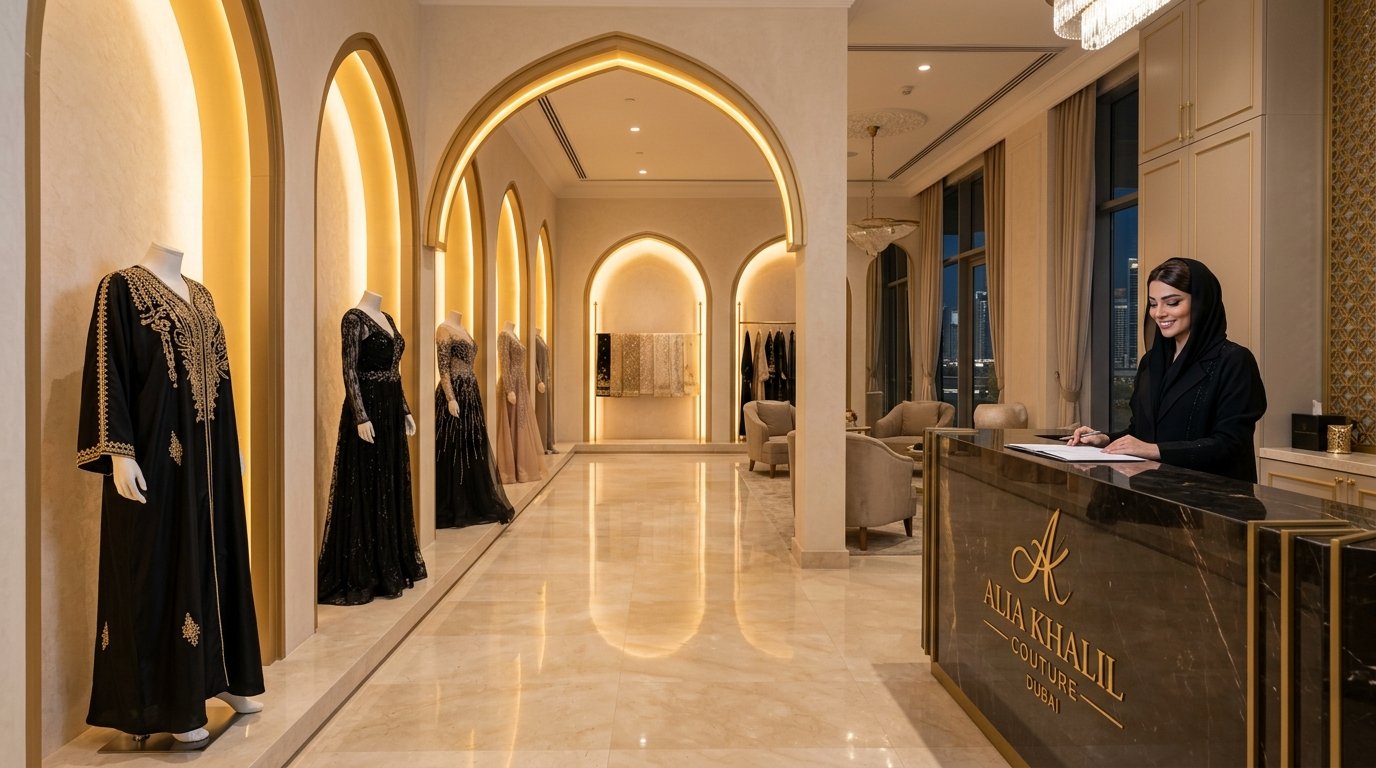
Dubai and the wider United Arab Emirates have established themselves as one of the world's premier fashion capitals. With a cosmopolitan populace, the highest per-capita luxury spending in the Middle East, and a deeply entrenched culture of bespoke clothing—ranging from haute couture abayas and jalabiyas to European bespoke suits and bridal wear—opening a tailoring boutique in Dubai represents an exceptional commercial opportunity.
However, succeeding in the UAE fashion sector requires far more than artistic eye and impeccable draping. Atelier founders must navigate strict commercial licensing, statutory Federal Tax Authority (FTA) 5% VAT rules, specialized expatriate artisan staffing, and discerning high-net-worth clients who expect digital speed and white-glove communication.
Whether you are launching your first couture atelier in Jumeirah, opening an abaya design house in Dubai Design District (d3), or expanding an established Indian subcontinent brand into the Gulf, this comprehensive guide walks you through every stage of launching and running a profitable tailoring boutique in Dubai.
1. Legal Structures & Licensing: Mainland vs. Free Zone
The first major decision when establishing an atelier in Dubai is selecting your legal jurisdiction. In Dubai, fashion and tailoring businesses generally choose between two primary jurisdictions:
| Jurisdiction | Best For | Key Advantages | Considerations |
|---|---|---|---|
| Mainland (Dubai Department of Economy & Tourism - DET / DED) | Retail boutiques with street access (Jumeirah, Wasl, Al Quoz, Deira, Bur Dubai, Mall locations). | 100% foreign ownership allowed for professional tailoring licenses; unrestricted trade anywhere across the UAE mainland. | Requires physical commercial lease approval (Ejari) before license finalization. |
| Free Zones (Dubai Design District - d3, Dubai South, Shams, IFZA) | Designer showrooms, export-focused fashion labels, e-commerce brands, high-concept couture houses. | Prestigious global branding (especially d3), streamlined visa allocation, 0% corporate tax benefits for qualifying income. | Direct retail sales to walk-in mainland consumers may require a mainland distributor or dual-license arrangement. |
Recommended Commercial Activities on Your License:
- Ladies' Tailoring & Dressmaking (DET Activity Code): Authorizes measuring, cutting, assembling, and altering women's garments, abayas, and gowns.
- Gents' Tailoring & Men's Garment Making: Required for bespoke suits, kanduras, thobes, and menswear.
- Textiles & Fabric Trading: Critical if you plan to import and sell silks, French lace, Italian wool, or embellishments directly to clients rather than only charging a making fee.
2. UAE Federal Tax Authority (FTA) 5% VAT Compliance
The UAE imposes a standard 5% Value Added Tax (VAT) administered by the Federal Tax Authority (FTA). Because bespoke garments involve high average ticket sizes (often AED 1,500 to AED 15,000+ for couture), understanding your VAT obligations is critical from day one.
UAE VAT Registration Thresholds:
- Mandatory Registration: If your taxable turnover exceeds AED 375,000 over the preceding 12 months or is forecast to exceed it within the next 30 days.
- Voluntary Registration: If your taxable turnover or taxable expenses exceed AED 187,500. (Registering voluntarily allows new boutiques to reclaim 5% input VAT on costly studio fit-outs, industrial sewing machinery, and initial fabric imports).
Mandatory Tax Invoice Requirements in the UAE
Every receipt or invoice issued by your tailoring boutique must comply with FTA Article 59 of the Executive Regulations. A compliant UAE Tax Invoice must clearly display:
- The words "Tax Invoice" displayed prominently at the top.
- Your boutique's legal name, registered trade address, and 15-digit Tax Registration Number (TRN).
- The date of supply and unique sequential invoice number.
- Itemized description of services and goods (e.g., "Bespoke Silk Organza Abaya with Hand Embroidery").
- Unit price, quantity, rate of tax (5%), and total VAT amount shown separately in UAE Dirhams (AED).
- Gross total payable including tax.
If issuing to corporate clients or orders exceeding AED 10,000, the customer's TRN and full billing address must also be captured. Using general generic invoicing tools or manual handwritten bills exposes your business to hefty FTA non-compliance administrative penalties.
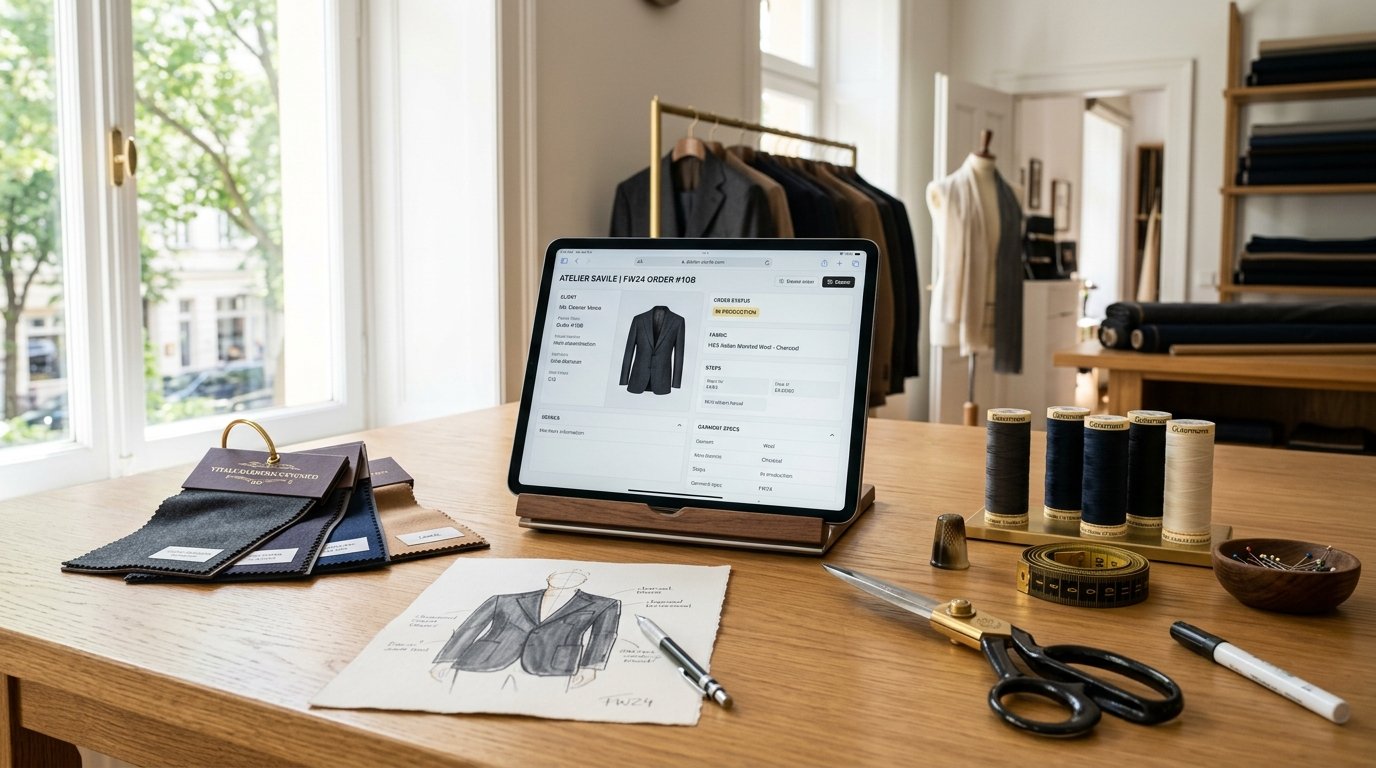
3. Staffing Your Dubai Workshop: Craftsmen, Cutters & Visas
A tailoring boutique in the UAE lives and dies by the skill of its production room. Unlike European ateliers where local master tailors are scarce and prohibitively expensive, Dubai allows boutique founders to sponsor skilled artisans and master cutters from renowned global textile hubs (India, Pakistan, the Philippines, Turkey, and Lebanon).
Here is the typical hierarchy of a profitable boutique production team in the UAE:
- The Master Cutter (Pattern Master / Masterji): Interprets design sketches, drafts bespoke 2D patterns, calculates fabric consumption, and executes precision shearing.
- Sample Stitchers & Karigars: Specialized single-needle machinists who construct the garment, interface lapels, and assemble delicate seams.
- Hand Embroidery & Embellishment Artisans (Hand Karigars): Execute intricate zardozi, crystal beading, thread embroidery, and lace applique—crucial for UAE bridal and eveningwear.
- Finisher & Presser: Performs edge finishing, lining closure, eyelets, and final vacuum-table steam pressing.
Quota & Housing Considerations: Your commercial lease size (in square meters) determines your initial Ministry of Human Resources and Emiratisation (MOHRE) employment visa quota. Factor in mandatory employee health insurance, Emirates ID registration, and labor accommodation logistics into your operational runway.
4. Discerning Customer Expectations in the GCC
Client service standards in the Gulf region are among the highest in the world. High-net-worth Emirati, Khaleeji, and expatriate clients value punctuality, visual aesthetics, and effortless communication:
- Arabic & English Bilingual Receipts: Invoices, job cards, and measurement confirmations should ideally support both English and Arabic labels.
- WhatsApp as the Primary Channel: Dubai consumers rarely check email for retail purchases. WhatsApp is the undisputed medium for appointment bookings, trial reminders, progress photos, and digital payment links.
- VIP Home / Hotel Fitting Services: Many high-end clients in Emirates Hills, Palm Jumeirah, or Al Barari prefer master fitters to visit their residences. Your management software must be accessible on tablets and smartphones on the go.
- Strict Delivery Deadlines for Festive Seasons: The calendar peaks intensely around Eid Al-Fitr, Eid Al-Adha, UAE National Day, and the winter wedding season (November to March). Missing a delivery before Eid is disastrous for brand reputation.
How Boutique Manager Powers High-Performing UAE Ateliers
Running a boutique on disjointed spreadsheets, paper receipt books, and separate POS devices creates expensive operational leaks. Boutique Manager is built specifically for custom fashion houses and includes native features designed for the UAE market:
- Native AED Currency & FTA 5% VAT: Automatic computation of 5% VAT with itemized tax summaries, TRN display, and export-ready VAT return reports formatted for FTA portal submission.
- Abaya, Bridal & Custom Tailoring Templates: Pre-built digital measurement charts capturing specialized GCC garments (abayas, bishts, kaftans, jalabiyas, evening gowns, and tailored suits).
- WhatsApp Digital Job Cards: Send one-click branded order summaries and trial reminders directly to UAE mobile numbers (+971) with zero manual data entry.
- Artisan Piece-Rate & Production Tracking: Track master cutter assignments, workshop assembly stages, and piece-rate wages in AED for complete visibility over workshop productivity.
Launch and Scale Your Dubai Atelier with Total Peace of Mind
Experience fully compliant 5% FTA VAT billing, automated WhatsApp fitting alerts, and precision custom garment management.